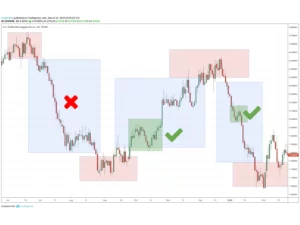
Learning forex trading doesn’t have to cost you money in the beginning. The best way to start is by using demo accounts — free trading simulations that allow you to practice under real market conditions with virtual funds. You get access to live price charts, indicators, and trading tools, but without the stress of losing real money.
A demo account gives beginners the freedom to make mistakes and learn from them safely. You can test different strategies, understand your risk tolerance, and get used to platforms like MetaTrader 4 (MT4) or MetaTrader 5 (MT5). Most experienced traders also use demo accounts when testing new indicators or trading robots. Treat your demo account like a real one — trade only during active hours, record your results, and stick to realistic balances. Consistent demo trading for 30 to 60 days can give you the confidence needed to move to live markets with smaller risks.
What Is a Forex Demo Account and Why It Matters
A forex demo account is a free practice account offered by brokers. It mimics real trading but uses virtual money instead of your own funds. The platform behaves exactly like a live market, with fluctuating prices, spreads, and volatility.
| Feature | Description |
|---|---|
| Balance | $10,000 to $100,000 virtual funds |
| Platforms | MT4, MT5, cTrader |
| Duration | 30 days or unlimited |
| Instruments | Forex, indices, crypto, commodities |
| Orders | Market, stop, limit, take-profit |
Demo accounts help you understand how to open and close trades, set stop-losses, and follow trends. It’s the safest space to learn trading habits before moving to real funds.
How to Open a Demo Forex Account
Opening a demo account takes less than five minutes. Most brokers provide it for free with no verification required.
Steps to Open a Demo Account:
- Visit the broker’s official website (e.g., XM, or IC Markets).
- Click on “Open Demo Account.”
- Enter your name, email, and country.
- Choose a platform — MT4 or MT5.
- Set your demo balance and leverage.
Once you log in, you’ll see live charts and can start placing trades instantly. Use a realistic balance. If you plan to start live trading with $500, don’t practice with $50,000. The goal is to simulate your real situation.
Best Forex Brokers Offering Free Demo Accounts
Some brokers provide unlimited demo access, while others have a time limit. Here are some reliable ones:
- Exness – Unlimited demo duration, fast order execution.
- XM – Free $100,000 demo balance and educational materials.
- IC Markets – ECN spreads and real-time liquidity.
- Pepperstone – Fast execution, available for 30 days.
- FXTM – Adjustable balance and leverage options.
All of these platforms support MT4/MT5 and provide real market conditions for practice.
Key Skills You Can Build Using a Demo Account
Order Management
Learn to place and close trades correctly. Understand the difference between market and pending orders. Track how spreads and slippage affect your trades during volatile sessions.
Risk Control
Practice setting stop-losses and take-profit levels. Stick to small risks — around 1–2% of your balance per trade. By managing virtual risk, you’ll build habits that protect real capital later.
Developing Trading Strategies with a Demo Account
A demo account is the best place to test different strategies before using real money.
Try These Basic Trading Styles:
| Strategy | Timeframe | Common Tools |
|---|---|---|
| Scalping | 1–5 min | RSI, Bollinger Bands |
| Swing Trading | 4H–Daily | Moving Averages |
| Day Trading | 15–30 min | MACD, Support/Resistance |
| Trend Trading | 1D–1W | Trendlines, Price Action |
Test each for at least 50–100 trades before deciding which one fits your lifestyle.
If you trade after work, focus on swing trades on 4H charts. If you prefer quick profits, scalping may suit you better.
Transitioning from Demo to Real Trading
After 4-6 weeks of steady demo results, move to live trading with a small account. Pick a broker offering micro lots (0.01 size) to keep exposure low—risk no more than ₹500-1,000 per trade at first. Fund with ₹10,000-25,000 to cover margins and a few losses. Treat the first 20 live trades as advanced practice: follow the same plan, journal every entry/exit, and review weekly.
Checklist Before Switching to Live
- Win rate 55-65% over 100 demo trades.
- Same strategy used for 30+ days without changes.
- Full trade journal with screenshots and notes.
- No revenge trading after demo losses.
- Bank linked and KYC complete.
Start on Monday morning with one USD/INR position. Scale up only after 10 profitable live trades.
Common Mistakes to Avoid While Using Demo Accounts
Demo accounts teach habits, but bad ones carry over.
- Overtrading: Placing 20+ trades daily just because funds reset. Limit to 3-5 per session.
- Skipping stops: Entering without loss limits. Always set 0.5-1% stop from entry.
- Fake bankroll: Starting with ₹1 crore virtual money. Use ₹20,000 to match real plans.
- No logs: Closing app after trades. Export reports and note reasons.
- Ignoring news: Trading through RBI announcements. Mark calendar events.
Fix one mistake per week in demo to build clean habits.
Benefits of Practicing Forex Trading with Demo Accounts
Demo mode builds skills without cost.
- Watch INR pairs react to US jobs data or Fed rates live.
- Test 50-period EMA on 15-minute charts for entries.
- Learn order types: market, limit, bracket on Kite or Upstox.
- Face drawdowns of 5-10% and recover without panic.
- Calculate exact margin for 1 lot EUR/INR before expiry.
Spend 1 hour daily for 30 days. Track progress in a spreadsheet: columns for date, pair, setup, result, notes. This data shows if your edge holds before real money.
FAQs
How long should I stay on a demo account?
At least one to two months or until you can trade profitably and consistently.